
Austria may look easy to understand on a map, but its language situation can confuse visitors. Austria’s official language is German.
The official language of Austria is German. In everyday life, people use Austrian German, local dialects, and sometimes English in tourist areas. “Austrian” is not a separate official language. It usually means Austrian German or local Austrian speech.
When I first looked into Austria, I also wondered whether people spoke German or something called Austrian. The answer is simple, but it needs a careful explanation. Austria is a German-speaking country, but the German used there has its own sound, words, and daily expressions.
This matters for travelers, students, workers, and anyone planning to stay in Austria. A short trip may not require much German. But living, studying, working, renting a home, or handling official matters is much easier when a person understands German.
What is the official language of Austria?
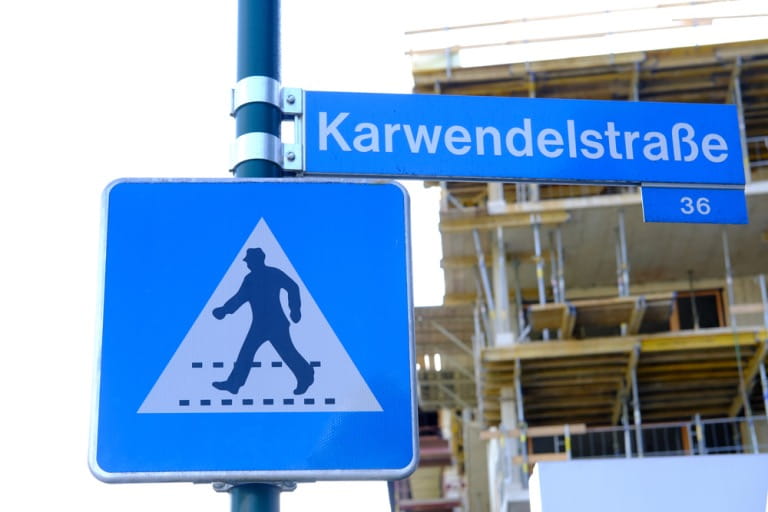
The official language of Austria is German. German is used in government, schools, public signs, legal documents, media, business, and most formal situations.
This is the first answer people need. Austria is not a country where the main language is English, and it is not a country with a separate official language called Austrian. If someone asks, “What language do people speak in Austria?” the direct answer is German.
However, the German used in Austria is not always exactly the same as the German many learners hear in Germany-based textbooks or videos. Austria uses Austrian German, which is a national form of German. It shares the same grammar and writing system with standard German, but it has its own vocabulary, accent, and style.
For a visitor, this means basic German works in Austria. If you can say simple German phrases, read basic signs, or understand standard German, you already have a useful base. You may still hear unfamiliar words, but you are not dealing with a totally different language.
Is there an Austrian language?
There is no separate official language called Austrian. When people say “Austrian language” in daily conversation, they usually mean Austrian German or local Austrian dialects.
This point is important because many people assume every country must have a language with the same name. France has French. Italy has Italian. So it may feel natural to think Austria has Austrian. But Austria’s official language is German.
The confusion also happens because Austrian speech can sound different from German in Germany. Some Austrians speak with strong regional accents. Some use dialects in casual life. Some daily words are different. To a beginner, this may sound like another language. But in most cases, it is still German.
I would explain it this way: Austrian German is German with Austrian features. It is not a separate official language. It is closer to the difference between American English and British English. Both are English, but they do not always sound the same or use the same words.
How is Austrian German different from German in Germany?
Austrian German differs from German in Germany mainly in pronunciation, vocabulary, and everyday expressions. The two forms are still mutually understandable in most normal situations.
The first difference is pronunciation. Austrian German can sound softer, more melodic, or more regional depending on the speaker. A person from Vienna may sound different from a person from Tyrol or Styria. This can surprise learners who only studied standard German from Germany.
The second difference is vocabulary and daily expression. Some everyday words in Austria are not the same as in Germany, and some greetings also sound more local. The table below shows a few simple examples visitors may hear or see.
| Difference type | Austrian German | German in Germany | Meaning |
|---|---|---|---|
| Vocabulary | Marille | Aprikose | Apricot |
| Vocabulary | Erdapfel | Kartoffel | Potato |
| Vocabulary | Sackerl | Tüte | Small bag |
| Greeting | Grüß Gott | Guten Tag / Hallo | Formal or polite hello |
| Greeting | Servus | Hallo / Tschüss | Casual hello or goodbye |
A visitor does not need to use all of these words perfectly, but recognizing them can make communication in Austria easier.
For most learners, the practical rule is simple. Standard German is enough to be understood. Austrian German helps you understand local life more naturally.
Can you use English or Russian in Austria?
English is usually more useful than Russian in Austria, especially for travel. German is still the safest language for deeper communication, but English can help in many tourist situations.
- English: useful in major tourist areas
English is usually enough for basic travel in cities like Vienna, Salzburg, and Innsbruck. Many hotels, museums, restaurants, airports, and tourist services can communicate in English. For short trips, visitors can usually check in, buy tickets, order food, and ask simple questions in English. - Russian: helpful only in limited situations
Russian is not widely used as a public language in Austria. Some hotels, luxury shops, guided tours, or Russian-speaking communities may use Russian, especially in Vienna or popular tourist areas. But visitors should not rely on Russian in restaurants, train stations, small towns, local offices, or daily travel situations.

What other languages are spoken in Austria?
Austria also has minority languages and immigrant languages, but German remains the main language of the country. Some regional and community languages include Croatian, Hungarian, Slovenian, Turkish, Serbian, Bosnian, and other languages.
- Croatian: A minority language in Austria that reflects regional history and links with nearby Central European communities.
- Hungarian: Part of Austria’s language background because of Austria’s long historical connection with Hungary.
- Slovenian: Spoken in some southern areas and reflects Austria’s closeness to Slovenia.
These languages appear because Austria has a long Central European history and a modern immigrant population. In larger cities, especially Vienna, it is common to hear several languages in public spaces. This makes Austria’s language life more diverse than a simple “German only” answer.
For someone studying Austrian society more deeply, the other languages help show how mixed and layered the country’s population is.
Do you need to learn German before going to Austria?
For short-term travel, you do not need deep German, but basic German phrases are helpful. A few polite words can make daily interactions smoother.
For a short trip, I would learn simple phrases such as Hallo, Guten Tag, Danke, Bitte, Entschuldigung, and Sprechen Sie Englisch? These are enough for many basic situations. Even if the other person replies in English, starting with a simple German greeting feels respectful.
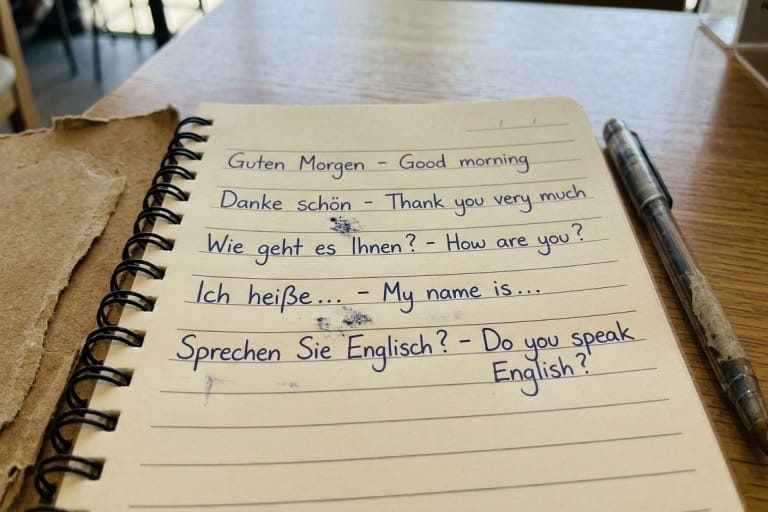
For long-term living, study, or work, I would strongly suggest learning German. German helps with renting an apartment, opening a bank account, visiting a doctor, talking to schools, handling paperwork, finding work, and building local relationships.
German may also matter for residence, official forms, and integration requirements. The exact need depends on the person’s situation, but the general direction is clear. The longer you stay in Austria, the more important German becomes.
Conclusion
Austria’s official language is German, and daily speech often means Austrian German or local dialects. English can help tourists, and Russian may help in limited tourist settings, but German is much more useful for real life in Austria.
