
| Detail | Information |
|---|---|
| Full Name | Stéphanie Romberg |
| Born | 1975 |
| Nationality | French |
| Profession | Ballet dancer, guest répétitrice |
| Known For | Paris Opera Ballet career |
| Main Rank | Première Danseuse |
| Joined Paris Opera Ballet School | 1986 |
| Joined the Paris Opera Ballet | 1991 |
| Named Première Danseuse | 2003 |
| Death Announced | June 3, 2025 |
| Age Reported | 50 |
Stéphanie Romberg was a French ballet dancer and former Première Danseuse of the Paris Opera Ballet. She was known for her long career, powerful stage presence, classical and modern repertory, and later work as a guest répétitrice.
Her name may not be widely known outside ballet, but inside the art form, her career carried real weight. Romberg’s life was shaped by discipline, range, and years inside one of the world’s most demanding ballet companies.
Who Was Stéphanie Romberg?
Stéphanie Romberg was a French ballet artist best known for her work with the Paris Opera Ballet. She was born in 1975 and trained at the Paris Opera Ballet School, one of Europe’s most respected ballet institutions.
She entered the school in 1986. In 1991, she joined the Paris Opera Ballet’s Corps de Ballet. That move began a long professional life inside the same company. She later rose through its ranks and became Première Danseuse in 2003.
That is what makes her story meaningful. She did not become known through celebrity noise. She became known through training, performance, promotion, and trust. Romberg was not simply connected to the Paris Opera Ballet; she became one of its respected senior artists.
How Did Stéphanie Romberg Build Her Career?
Stéphanie Romberg built her career step by step inside the Paris Opera Ballet system. Her path shows how structured and demanding classical ballet can be.
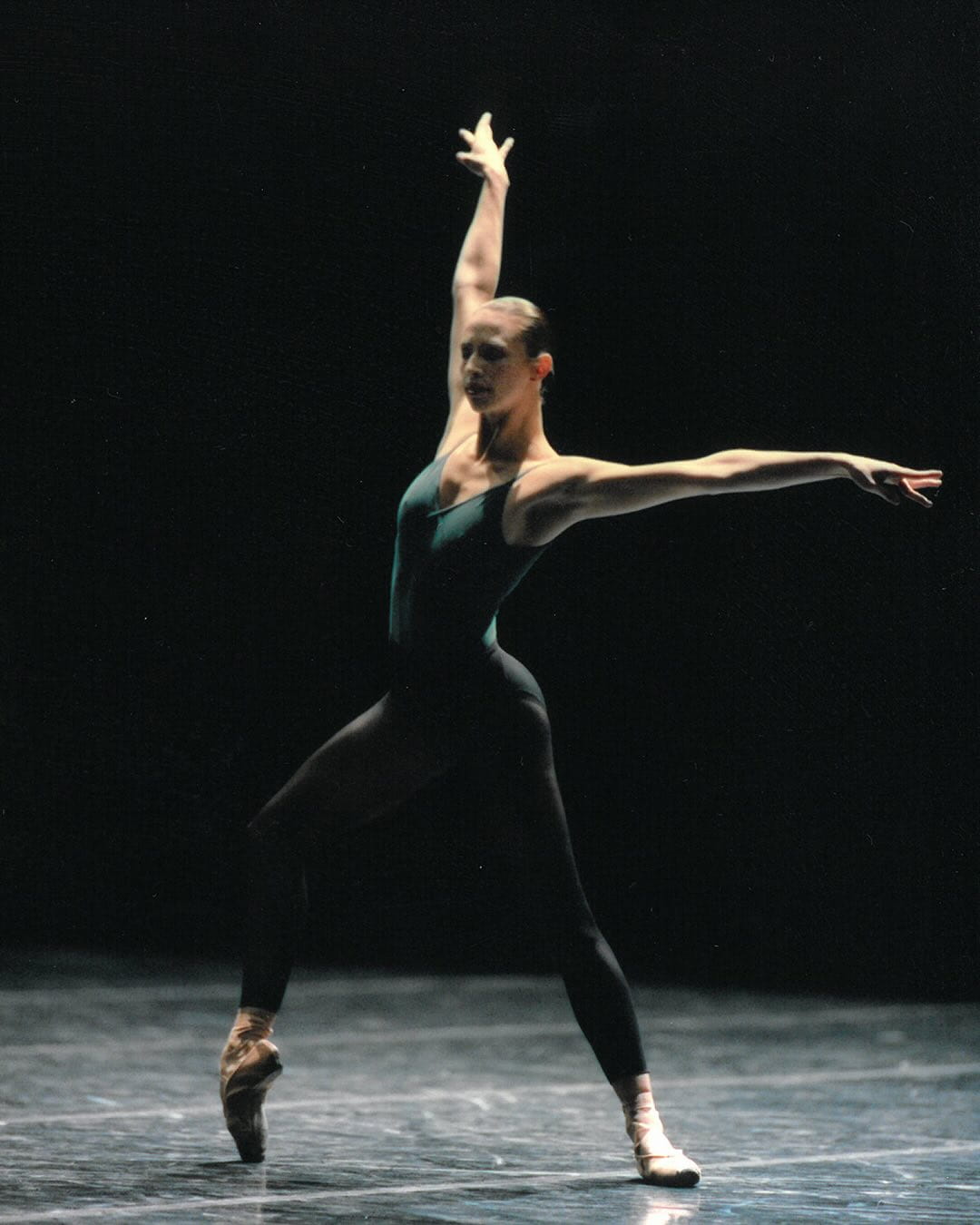
- 1975: Born.
- 1986: Entered the Paris Opera Ballet School.
- 1991: Joined the Paris Opera Ballet Corps de Ballet.
- 1992: Promoted to Coryphée.
- 1998: Promoted to Sujet.
- 2003: Nommée Première Danseuse.
- June 3, 2025: Her death was publicly announced.
Each rank marked a new level of artistic responsibility. These titles show how a dancer grows inside a company that values technique, musicality, tradition, and stage authority.
Romberg’s rise shows skill, but it also shows staying power. She remained inside a demanding system long enough to earn major roles, artistic trust, and lasting respect.
What Does Première Danseuse Mean?
Première Danseuse is a senior rank in the Paris Opera Ballet, below Étoile but still highly respected. As a Première Danseuse, Romberg was trusted with visible roles, serious repertory, and performances that required technical strength and dramatic control.
This rank reflects the kind of career she built. She was not a background company member, and she was not defined by mainstream celebrity. Her value came through repertoire, consistency, and authority on stage.
Fame and artistic value are not always the same thing. Romberg may not have been widely known outside ballet circles, but her rank, roles, and later studio work show how deeply she mattered inside her field.
What Roles Made Stéphanie Romberg Stand Out?
Stéphanie Romberg stood out in roles that required command, control, dramatic tension, and physical power. Her repertoire included major classical roles, dramatic character parts, and modern works by leading choreographers.
| Work / Role | Choreographer or Ballet | Why It Stands Out |
|---|---|---|
| Myrtha | Giselle | Requires cold control and authority. |
| Gamzatti | La Bayadère | Built on pride, pressure, and stage force. |
| Carabosse | The Sleeping Beauty | A strong character role with theatrical power. |
| Queen of the Dryads / Street Dancer | Don Quixote | Shows classical strength and stage brightness. |
| Queen | Swan Lake | A regal role within the Nureyev repertoire. |
| In the Middle, Somewhat Elevated | William Forsythe | Shows modern technical range. |
| The Chosen One | The Rite of Spring / Maurice Béjart | A physically intense and dramatic role. |
These roles show why Romberg’s career had depth. Myrtha in Giselle needs stillness and command. Gamzatti in La Bayadère needs dramatic pressure. Carabosse in The Sleeping Beauty needs character force. The Chosen One in The Rite of Spring asks for physical intensity and emotional risk.
Her modern repertoire also matters. Works by Forsythe, Robbins, Balanchine, Béjart, and Kylián require different movement habits. Romberg’s ability to move across these styles made her more than a classical performer.
What Did the Paris Opera Say About Stéphanie Romberg?
The Paris Opera remembered Stéphanie Romberg as an admired artist with a radiant, deeply human presence. Its tribute emphasized her sensitivity as a performer, her wide repertory, and the major roles she left behind.
It also noted her later work as a guest répétitrice. That detail matters because Romberg’s connection to ballet did not end with performance. She continued to support repertory and younger dancers from inside the studio.
Why Did Stéphanie Romberg Matter Beyond the Stage?
Stéphanie Romberg mattered beyond the stage because she helped pass ballet knowledge to younger dancers. After her performing years, she stayed connected to the Paris Opera world as a guest répétitrice and artistic guide.
Ballet is not only learned from written notes or recordings. It is passed through correction, example, memory, and physical detail. A répétitrice helps dancers understand timing, style, musical shape, and emotional tone.
I find this part of Romberg’s life especially meaningful. Her influence did not end when she stepped away from full-time performing. It became quieter, but it may have reached deeper.
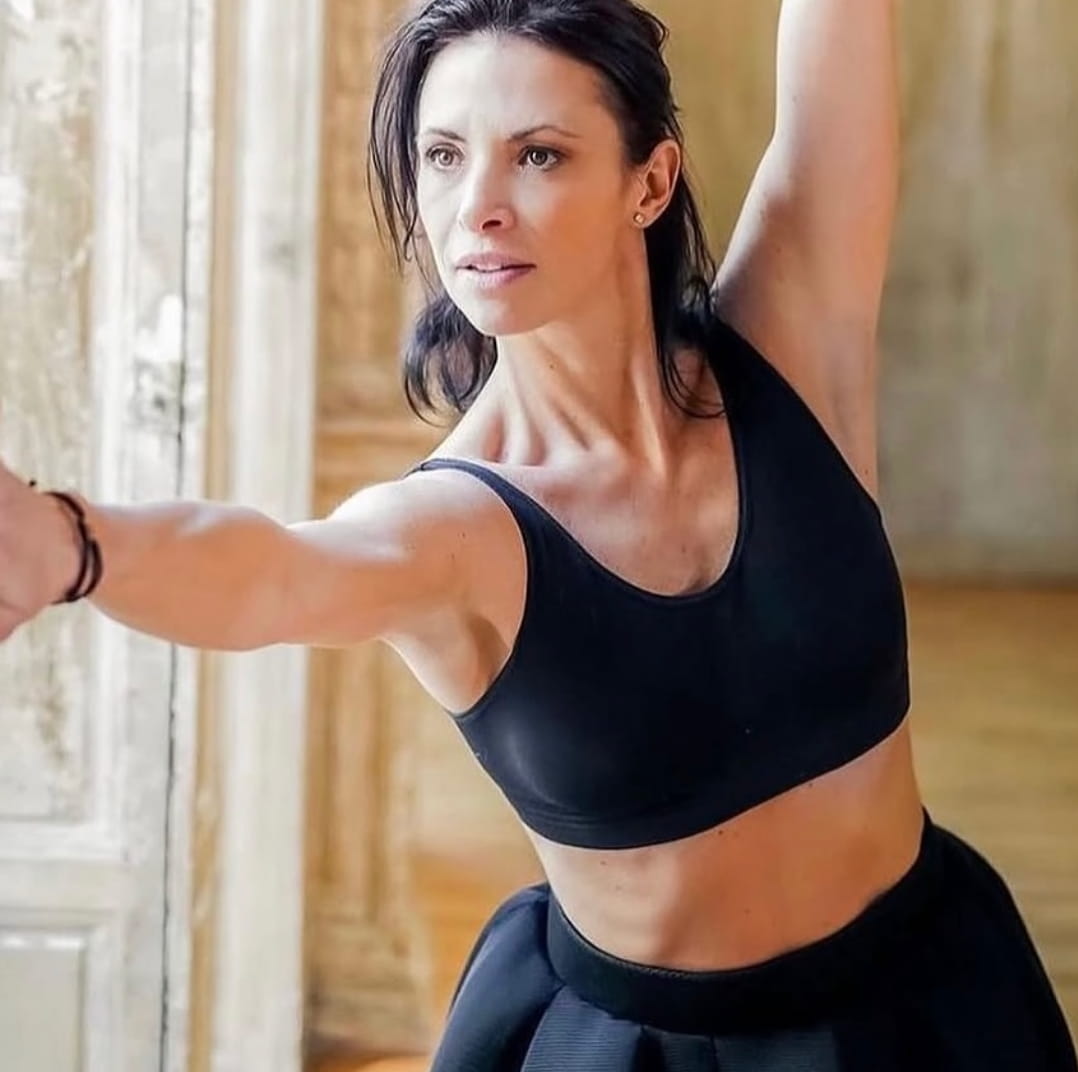
Image source: Instagram
When Did Stéphanie Romberg Die?
Stéphanie Romberg’s death was announced by the Paris Opera on June 3, 2025. She was 50. Her passing led to tributes from the Paris Opera Ballet community, dance followers, and people who remembered her performances.
Her death was described in French reports as sudden, but her cause of death has not been publicly confirmed. What remains public and clear is her artistic record: a long Paris Opera Ballet career, a respected senior rank, a rich repertory, and later work as a guest répétitrice.
What Is Stéphanie Romberg’s Legacy?
Stéphanie Romberg’s legacy is the memory of a disciplined, expressive, and trusted ballet artist. She served the Paris Opera Ballet through performance, repertory, and later studio work.
Her career shows a steady kind of success: early training, long company service, demanding roles, and knowledge passed forward. Her name remains tied to the quiet strength behind a great ballet company.
FAQ
1. Who was Stéphanie Romberg?
Stéphanie Romberg was a French ballet dancer and former Première Danseuse of the Paris Opera Ballet.
2. When did Stéphanie Romberg join the Paris Opera Ballet?
Stéphanie Romberg joined the Paris Opera Ballet School in 1986 and entered the Paris Opera Ballet Corps de Ballet in 1991.
3. What was Stéphanie Romberg’s rank?
Her main senior rank was Première Danseuse, one of the respected senior ranks below Étoile.
4. What roles was Stéphanie Romberg known for?
She was known for roles such as Myrtha in Giselle, Gamzatti in La Bayadère, Carabosse in The Sleeping Beauty, and The Chosen One in The Rite of Spring.
5. When did Stéphanie Romberg die?
Stéphanie Romberg’s death was announced on June 3, 2025. She was 50.
6. What was Stéphanie Romberg’s cause of death?
Stéphanie Romberg’s cause of death has not been publicly confirmed.
7. Why is Stéphanie Romberg remembered?
She is remembered for her stage strength, career discipline, major Paris Opera Ballet repertory, and later influence as a guest répétitrice.
Conclusion
Stéphanie Romberg left behind a career shaped by discipline, range, and service to the Paris Opera Ballet. She rose through a strict system, performed demanding roles, and later helped pass ballet knowledge to younger dancers. I find her story moving because quiet dedication can leave a lasting mark, even without mainstream fame.
