
| Detail | Information |
|---|---|
| Full Name | Marc Lièvremont |
| Date of Birth | October 28, 1968 |
| Birthplace | Dakar, Senegal |
| Nationality | French |
| Sport | Rugby union |
| Playing Position | Flanker |
| France Caps | 25 |
| France Playing Years | 1995–1999 |
| Major Clubs | Perpignan, Stade Français, Biarritz Olympique |
| Major Player Moment | 1999 Rugby World Cup finalist |
| France Head Coach | 2007–2011 |
| Major Coaching Title | 2010 Six Nations Grand Slam |
| Biggest Coaching Moment | 2011 Rugby World Cup finalist |
| Current Work | Speaker, leadership consultant, rugby media figure |
Marc Lièvremont is not remembered only because he coached France to a Rugby World Cup final. I think he is remembered because he nearly won it while everything around him looked ready to explode.
As a player, he had already reached the 1999 Rugby World Cup final with France. As a coach, he won the 2010 Six Nations Grand Slam. Then came 2011, and honestly, this is where the story gets messy: criticism, dressing-room tension, frustrated players, and somehow another World Cup final.
Most coaches dream of control. Lièvremont’s most famous team looked like it was slipping out of his hands. Yet France came within one point of beating New Zealand. Very French. Very dramatic. Very hard to file neatly.
Who Is Marc Lièvremont?
Marc Lièvremont is a former French rugby union player, former France head coach, and current speaker, consultant, and rugby media figure. He was born in Dakar and became known as a tough flanker before moving into coaching.
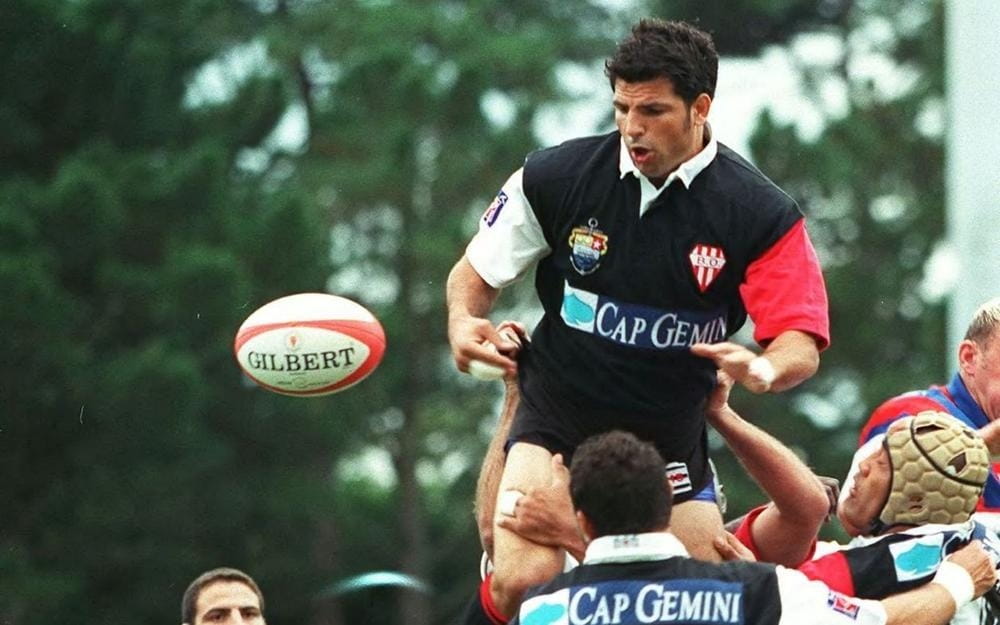
He earned 25 caps for France between 1995 and 1999 and played for major clubs including Perpignan, Stade Français, and Biarritz Olympique. He also came from a rugby-heavy family: his brothers Thomas and Matthieu Lièvremont became known names in French rugby too.
So no, Marc did not wander into rugby by accident. This was family language.
From Player to World Cup Finalist
Marc Lièvremont first reached a Rugby World Cup final as a France player in 1999. That matters because his later coaching story strangely echoes his playing past.
Lièvremont was not the flashiest star in that squad, but he belonged to the hard edge of the team. When he returned to the World Cup final in 2011 as coach, he was not guessing what that pressure felt like. He had already stood near that fire.
The Grand Slam Coach Who Looked Like the Answer
Marc Lièvremont became France head coach in 2007 and won the 2010 Six Nations Grand Slam. For a while, that made him look like the man who could reset French rugby.
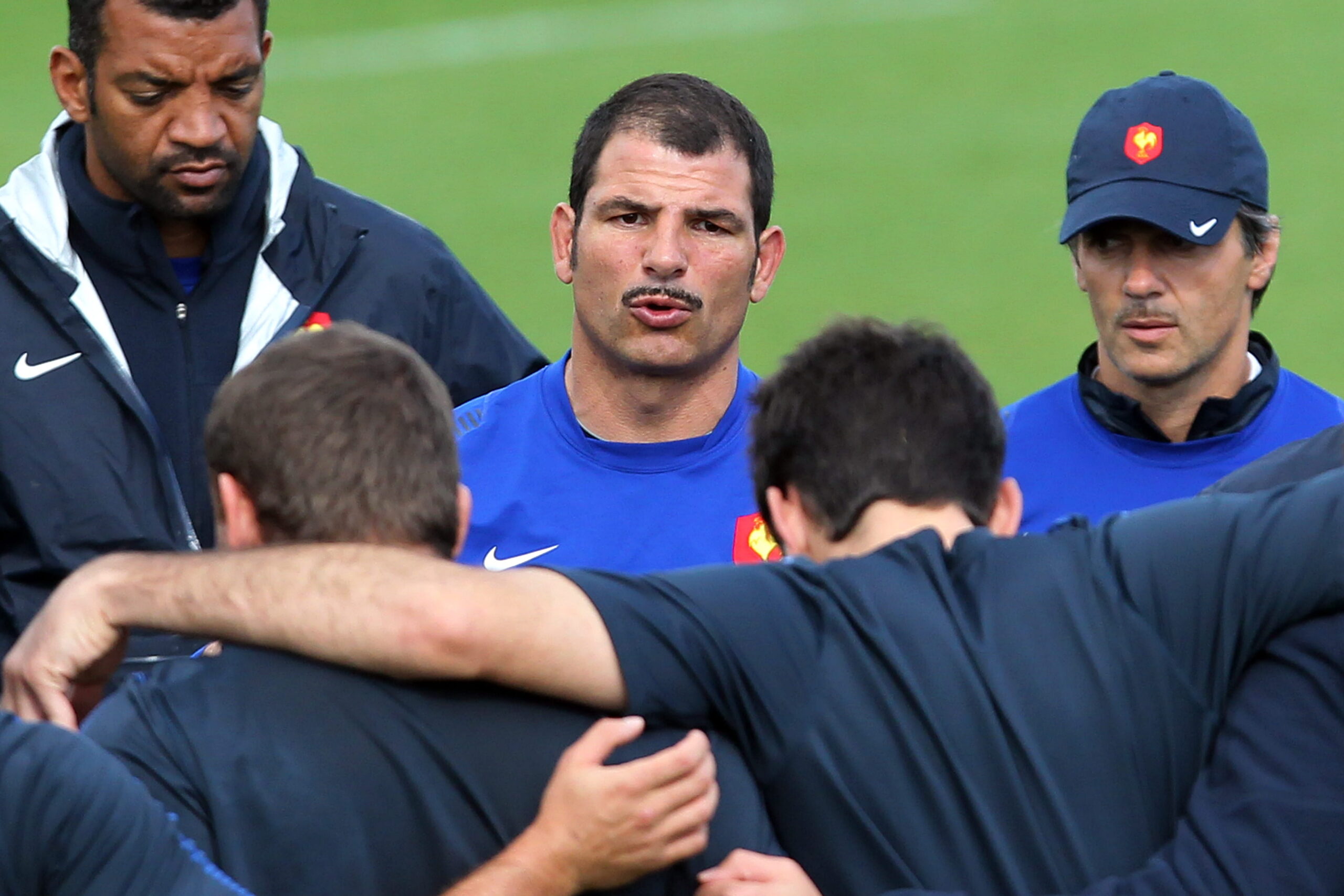
Image source: Google
His appointment had a bold feeling. He was young for the role, emotional, direct, and not exactly a safe old-system pick. Spicy? A little. Risky? Absolutely.
In 2010, the gamble looked brilliant. France won the Grand Slam, and Lièvremont had the kind of trophy that shuts people up.
Then came the tournament that made his legacy gloriously messy.
The 2011 Rugby World Cup Chaos
The 2011 Rugby World Cup turned Marc Lièvremont into one of the most debated coaches in French rugby history. France reached the final, but the road there was messy enough to deserve its own soap opera.
France lost games in the pool stage. Performances looked uneven. Public pressure grew. Then the coach-player relationship became part of the show.
After France beat Wales in the semi-final, Lièvremont learned that some players had gone out after the match and branded them “spoilt brats.” That was not normal coach-speak. It sounded like a man who had reached the final with a team he could not fully control.
Then came the juicier twist. Imanol Harinordoquy later said the players had largely taken the campaign into their own hands after the pool stage. That is why 2011 still has bite: France were not just fighting opponents. They looked like they were fighting themselves.
The Final France Almost Stole
France lost the 2011 Rugby World Cup final to New Zealand by only one point, 8–7. That scoreline is why Lièvremont’s story refuses to behave.
If France had collapsed in the final, the verdict would be easy: chaos, failure, bad management. But they did not collapse. They pushed the All Blacks to the edge in New Zealand, in the biggest match in rugby.
So what was it? A flawed coach carried by rebellious players? A broken team that somehow became dangerous? Classic French rugby refusing to make sense?
Probably all three. Annoying, but fun.
Was Marc Lièvremont a Success or a Disaster?
Marc Lièvremont was neither a simple success nor a simple disaster. That is why he remains so interesting.
His record includes a Grand Slam and a World Cup final. Many coaches would trade their entire careers for that. But his France tenure also carried public conflict, emotional comments, tactical doubts, and the smell of a dressing room no longer fully under command.
That contradiction is the whole point. Lièvremont’s France could look broken and brilliant in the same week. Clean heroes are boring. Clean failures are easy. Marc Lièvremont is neither.
What Is Marc Lièvremont Doing Now?
Marc Lièvremont now works as a speaker, leadership consultant, and rugby media figure. His post-coaching career focuses on teamwork, pressure, collective identity, and leadership under stress.
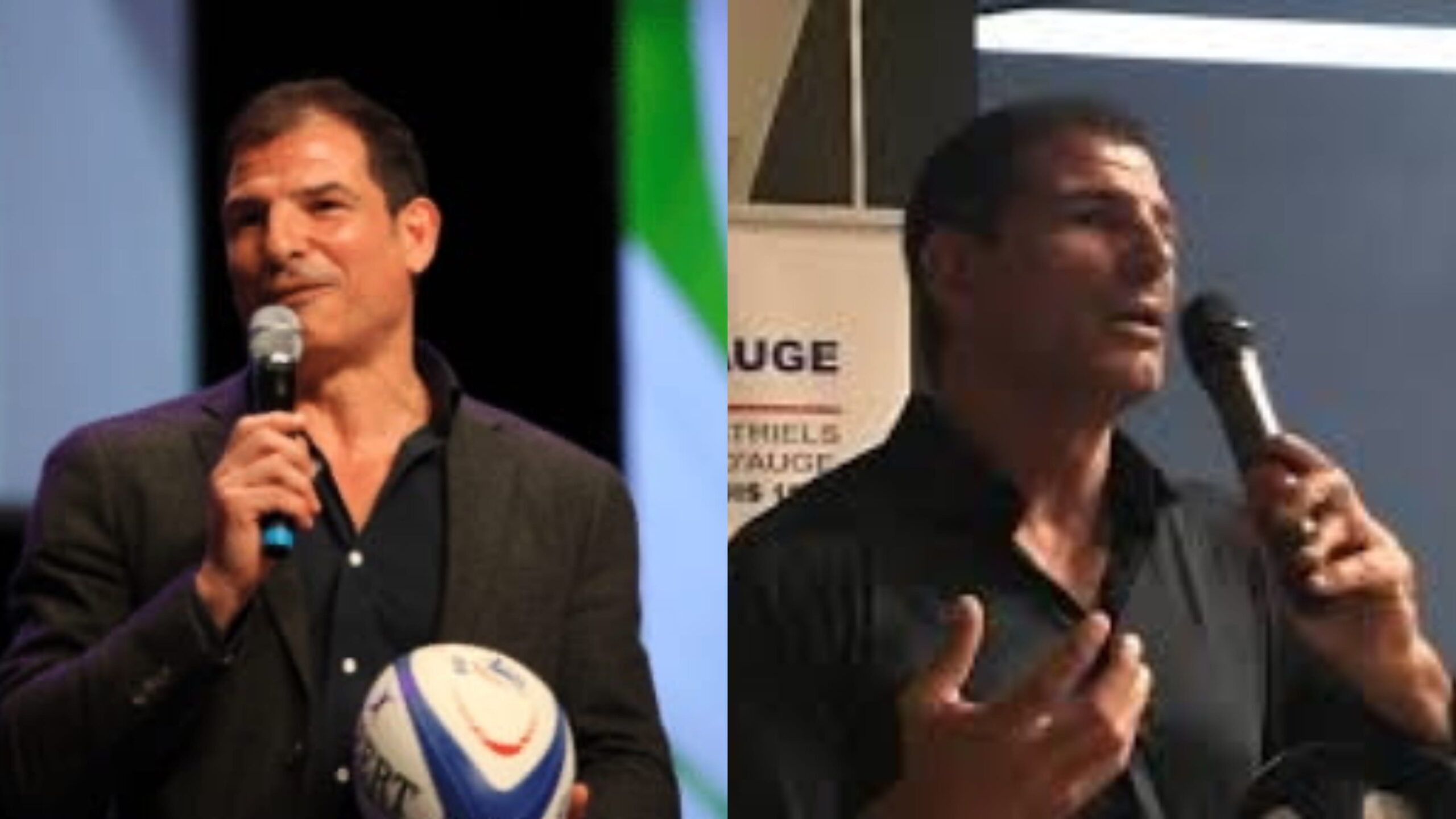
Image source: Google
There is an irony there, and honestly, it works. The man linked to one of France rugby’s most chaotic dressing-room stories now speaks about team management, leadership, goals, and commitment.
Marc Lièvremont Career Timeline
Marc Lièvremont’s career runs from France flanker to Grand Slam coach, World Cup finalist, and public speaker.
- 1968: Born in Dakar, Senegal.
- 1995–1999: Played for France as a flanker.
- 1998: Won the French championship with Stade Français.
- 1999: Reached the Rugby World Cup final with France.
- 2003–2005: Coached France Under-21.
- 2005–2007: Coached Dax.
- 2007: Became head coach of France.
- 2010: Led France to the Six Nations Grand Slam.
- 2011: Took France to the Rugby World Cup final, losing 8–7 to New Zealand.
- After coaching: Became a speaker, consultant, and rugby media figure.
FAQ
1. Who is Marc Lièvremont?
Marc Lièvremont is a former France rugby player, former France head coach, and current speaker and consultant.
2. Where was Marc Lièvremont born?
Marc Lièvremont was born in Dakar, Senegal, on October 28, 1968.
3. What position did Marc Lièvremont play?
Marc Lièvremont played as a flanker.
4. How many caps did Marc Lièvremont win for France?
Marc Lièvremont won 25 caps for France between 1995 and 1999.
5. Did Marc Lièvremont win a Grand Slam?
Yes, Marc Lièvremont coached France to the 2010 Six Nations Grand Slam.
6. Why was Marc Lièvremont’s 2011 World Cup run so controversial?
Marc Lièvremont led France to the 2011 Rugby World Cup final, but the campaign was marked by poor pool-stage results, dressing-room tension, his “spoilt brats” criticism, and debate over whether senior players took control after the pool stage.
7. What is Marc Lièvremont doing now?
Marc Lièvremont now works as a speaker, leadership consultant, and rugby media figure.
Why Marc Lièvremont Still Splits Opinion?
I think Marc Lièvremont is fascinating because his résumé says success, but the feeling around him says chaos. Grand Slam winner, World Cup finalist as a player, World Cup finalist as a coach — on paper, that looks impressive. But rugby is not played on paper, and his France story was never that tidy.
So was he the coach who nearly gave France the impossible, or the coach whose team almost escaped him? Maybe both. Lièvremont nearly touched the top of world rugby while everything around him looked ready to fall apart, and that is why I cannot file him neatly under genius or disaster.
