
Austrians are the people of Austria, mostly German-speaking, but culturally distinct from Germans in identity, humor, communication style, and daily habits.
What I find most interesting about Austrians is how easily outsiders misinterpret them. A reserved tone can feel cold. A complaint can sound negative. A formal greeting can seem distant. But after spending more time with Austrian culture, I’ve learned to read these social signals differently. They are not random quirks—they are the result of a complex history and a refined social code. Here is how I’ve learned to decode the Austrian social mindset more accurately.
1. Austrians Are Not “Germans-Lite”
I think this is the first code outsiders need to crack: a shared language does not mean a shared identity. Many visitors expect the direct, efficiency-first approach often associated with Northern Germany, but that frequency doesn’t quite work here.
Austrian identity is built on a softer touch. Where German communication is often perceived as more direct, Austrian communication tends to be more diplomatic and sensitive to the social atmosphere. Compared with the efficiency-first style often associated with Germany, Austrians may place more weight on social harmony and maintaining a pleasant environment. Understanding this gap is the first step toward a successful interaction.
2. How History Shaped the Austrian Mindset
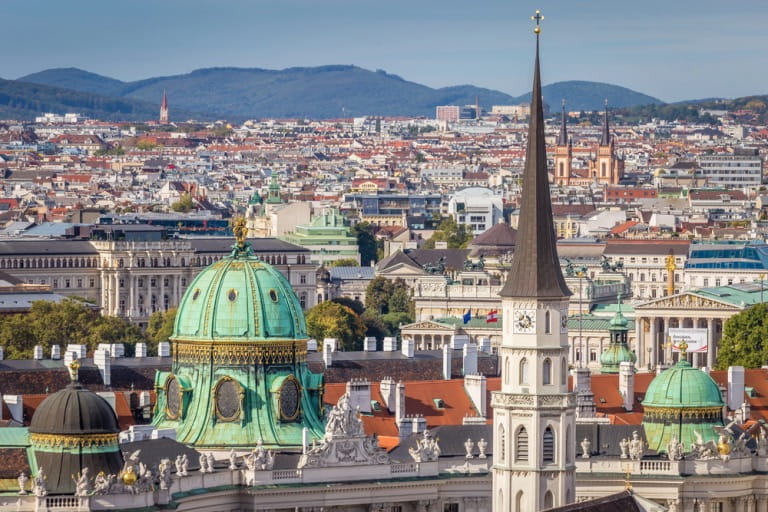
To understand Austrians, it helps to remember that modern Austria is a small country with the memory of a much larger imperial past. For centuries, Vienna was the center of the Habsburg Empire—a multi-ethnic powerhouse.
This history has left a lasting imprint on the national mindset:
-
Imperial Etiquette: The empire left a legacy of formal manners, respect for hierarchy, and a certain “grandeur” in daily interactions.
-
A “Middle-Power” Psychology: Austrians are globally minded and culturally sophisticated, yet they value their neutrality and their role as a bridge between East and West.
-
Quiet Pride: Having spent centuries defining themselves in contrast to their neighbors, Austrian identity is rooted in a deep cultural self-esteem rather than raw power or size today.
3. Austrian Daily Life: Order, Coffee, Nature, and Quiet Rituals
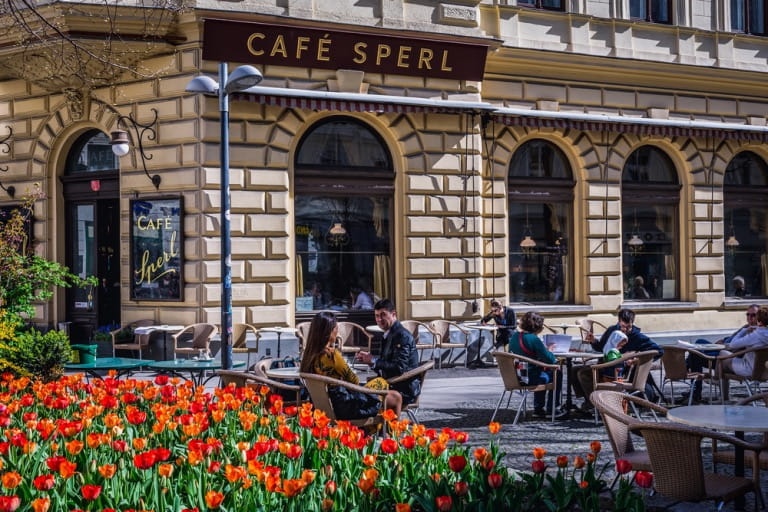
Austrian daily life is built around small, meaningful rituals. It is less about the “hustle” and more about the “art of being.”
-
Coffee House Culture: A Viennese coffee house is often described as an “extension of the living room.” It is a place to sit for hours over a single cup, reading the newspaper or simply observing life.
-
The Alpine Spirit: Connection to nature and outdoor life is a strong part of Austrian culture. On weekends, many head to the mountains for hiking or skiing—not just as hobbies, but as essential ways to recharge.
-
Protected Sundays: Sundays often feel protected. Shops are usually closed, and life slows down significantly to prioritize family, nature, and rest.
-
Order and Boundaries: There is a high respect for public rules, cleanliness, and, above all, personal boundaries. Privacy is a highly valued currency in Austrian life.
4. The Austrian Mindset: Formal, Comfortable, and Quietly Proud
The Austrian mindset is not built around loud confidence. It is built around form, comfort, memory, and quiet pride.
Austrians value decency (Anstand) and decorum. They are slow to warm up but incredibly reliable once a relationship is established. They prefer the tried-and-tested over the trendy. They are cynical but not hopeless; they like to complain, but they are deeply proud of their high standard of living. In short: they value “quality of life” over “speed.”
5. Politeness Often Means Respect for Distance
At first, the distance I encountered in Austrian social circles felt like rejection. I used to read that reserve as coldness. Later, I realized it was closer to a social boundary: Austrians often respect you by not rushing into familiarity. Trust is usually built gradually rather than offered instantly. In Austria, not rushing into intimacy is a form of respect for your private space.
6. Raunzen: When Complaining Becomes Social
The first time I noticed Raunzen, it sounded like constant dissatisfaction. Later, I understood it as a social rhythm.
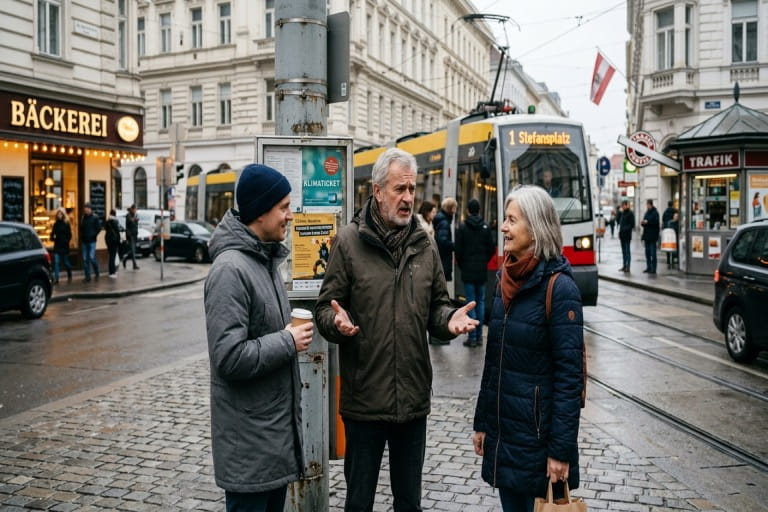
In Austria, complaining about the weather or the price of bread is often a social lubricant—a way to find common ground. Complaining together is a way of saying: “We are seeing the same imperfect world.” It can act as a common social bridge that allows people to bond without needing to be overly vulnerable.
7. Schmäh: The Humor Hidden Behind a Serious Face
Schmäh is easy to miss because it rarely announces itself as a joke. It often hides behind a dry face and a half-serious tone. I used to take these comments literally and worry I had caused offense. In reality, this dry, self-ironic humor is a sign of comfort. If an Austrian uses a bit of irony with you, it usually means they feel the atmosphere is relaxed enough to drop the formal shield.
8. The Formality Rule: Why Titles and Respect Still Matter
I would not treat Austrian formality as stiffness; it is closer to a ritual of respect. While much of the world is moving toward a casual, first-name culture, Austria maintains a traditional respect for academic and professional status. Addressing someone as Herr or Frau followed by their title (Doktor, Magister, Ingenieur) is the baseline. Skipping the formality too early can feel careless rather than friendly.
9. Gemütlichkeit: The Worship of Quality Time
The term Gemütlichkeit encompasses comfort, coziness, and a high quality of life. For an Austrian, a two-hour coffee or a long lunch is not an interruption of life—it is the point of life. While they value order, they do not worship efficiency for its own sake. Quality time here is never “wasted time.”
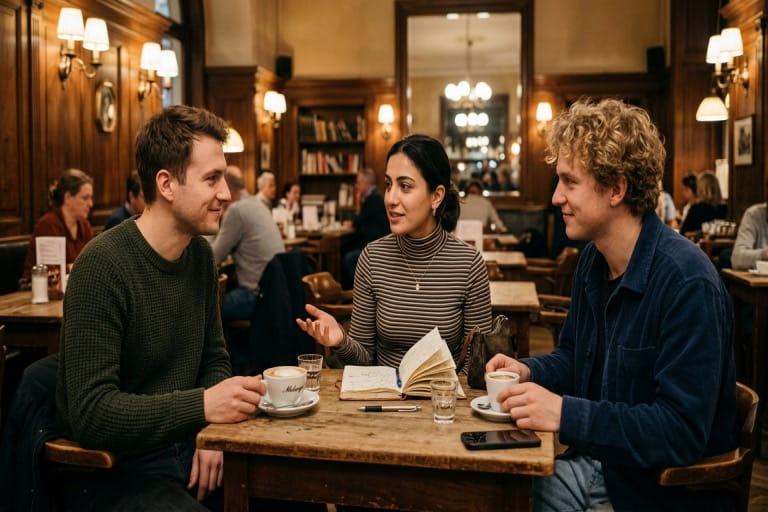
My Cultural Decoder for Understanding Austrians
| If an Austrian does this… | Read it as… | Instead of… |
| Keeps a formal distance | Respect for your privacy and boundaries. | Coldness or unfriendliness. |
| Complaints (Raunzen) | A social ritual and a way to bond. | Genuine misery or negativity. |
| Uses dry, subtle wit | Comfort and a sign of intelligence. | A personal slight or hostility. |
| Insists on titles | Respect for achievement and order. | Arrogance or stiffness. |
| Moves slowly over coffee | An appreciation for life quality. | Laziness or inefficiency. |
Final Thought
Understanding Austrians is not about memorizing stereotypes. It is about learning to read the signals correctly: distance as respect, complaint as rhythm, formality as trust-building, and slowness as a commitment to quality of life. I’ve found that if you stop looking for instant warmth and start looking for depth and reliability, the culture opens up. Austria can feel far more welcoming than it first appears once you understand the social frequency.
