
I wouldn’t describe Hambantota as one of Sri Lanka’s obvious first stops. It doesn’t have Galle’s colonial charm, Mirissa’s beach-town energy, or Ella’s cool mountain scenery. At first glance, it can feel too open, too dry, and a bit spread out.
But that is exactly why I think Hambantota is misunderstood. If you want a quieter base for safari, wetlands, and unusual landscapes that most tourists drive right past, Hambantota can make more sense than it first appears. I wouldn’t build an entire Sri Lankan holiday around it, but I would certainly use it as a strategic anchor for the south.
What Is Hambantota?
Hambantota is a coastal city in southern Sri Lanka, located in the country’s dry zone. It is famous for its massive sea port, its sprawling salt salterns, and its unique, arid landscapes. Unlike the lush greenery of the Hill Country, Hambantota is hot, open, and rugged. I’d describe it as a tactical base for wildlife enthusiasts, birdwatchers, and those who want to see a different, drier side of the island.
Where Is Hambantota Located?
Hambantota sits on Sri Lanka’s deep southern coast in the Southern Province. It is positioned southeast of Colombo and serves as a major gateway between the south coast beaches (like Tangalle) and the inland routes toward Ella. Its location makes it perfectly situated for accessing Bundala National Park and Yala National Park.
Who I’d Recommend Hambantota To
-
I’d recommend it to wildlife-focused travelers who want access to both Yala and Bundala without staying in the busiest, most crowded safari hubs.
-
I’d recommend it to birdwatchers and wetland lovers. Bundala National Park gives this area a distinctive, quieter identity that is far more peaceful than the famous leopard-spotting routes.
-
I’d recommend it to travelers who like space. If you prefer sprawling resorts with large pools and open roads over the cramped, narrow guest houses of the busier south coast towns, you’ll appreciate the layout here.
-
I’d recommend it to photographers who enjoy minimalism—salt salterns, red earth, harsh light, and the strange “Martian” beauty of the dry zone.
Who I Wouldn’t Recommend It To
-
I wouldn’t recommend Hambantota if you want nightlife. Once the sun sets, the town is silent. There is no bar scene here.
-
I wouldn’t choose it for café hopping. You aren’t going to find boutique coffee shops or trendy brunch spots.
-
I wouldn’t pick it as a classic beach-holiday base. The coastline here is rugged and the currents are often too strong for casual swimming.
-
I wouldn’t send first-time Sri Lanka travelers here unless they already know they want a deep-dive into nature and off-the-beaten-path landscapes.
Why I’d Prioritize Bundala Over Yala
If Yala is the famous name that pulls travelers into this part of Sri Lanka, Bundala is the reason I’d actually give Hambantota a closer look.
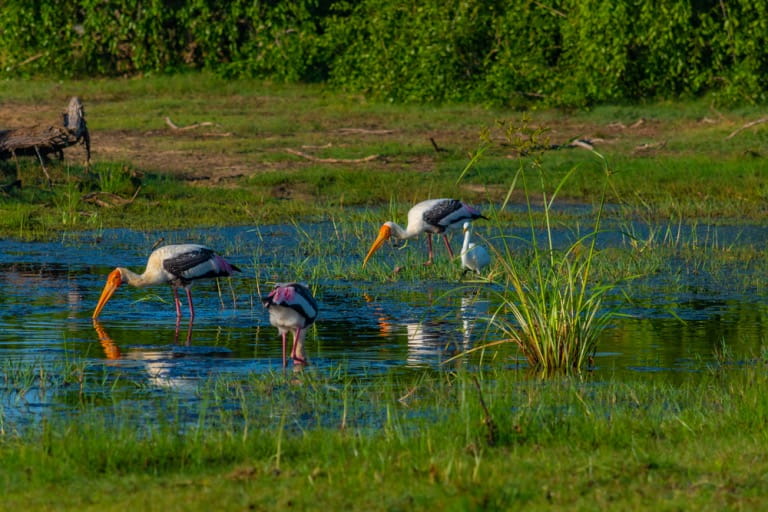
Yala is exciting, especially for a chance to see leopards, but it can also feel like a Jeep traffic jam. Bundala is different. It is quieter, flatter, and focused on lagoons, crocodiles, and large numbers of migratory birds—including flamingos in the right season. For me, Bundala is the real soul of the region. It’s the place where you can actually hear the wilderness rather than the engine of the Jeep in front of you.
The Places I’d Actually Prioritize in Hambantota
1. Hambantota Salt Salterns
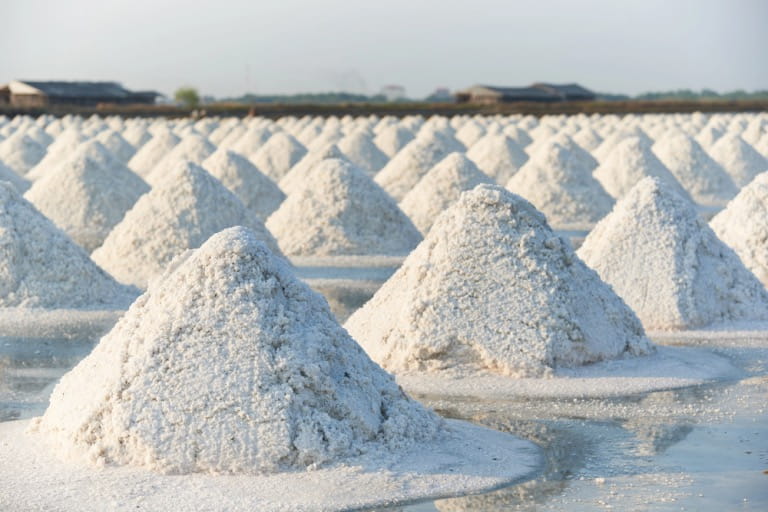
I’d prioritize the salt salterns (salt pans) if you care about photography. They aren’t a polished tourist attraction, but the mix of white salt mounds against shallow, pink-tinted water at sunset is surprisingly beautiful.
2. Ussangoda National Park
I’d go to Ussangoda for the landscape rather than the legends. While some believe it was hit by a meteor, the reality is a bizarre coastal plateau of red earth and short grass. It is one of the strangest and quietest spots on the south coast.
3. Mirijjawila Dry Zone Botanic Garden
I’d visit Mirijjawila in the morning, before the heat peaks. It’s not as lush as the gardens in Kandy, but that is precisely what makes it interesting—it’s a massive collection of plants that thrive in the harsh, dry heat.
4. Ridiyagama Safari Park
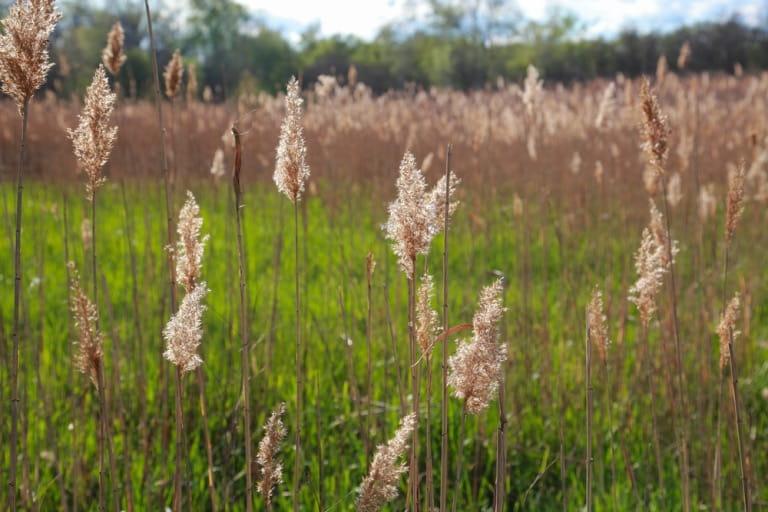
I’d choose Ridiyagama for families with children rather than serious wildlife photographers. It is a more controlled, open-air zoo environment, which makes sightings guaranteed.
5. Madunagala Hot Springs
I’d treat Madunagala as a local stop, not a luxury spa. If you want something polished, skip it. If you like simple, everyday places where local families actually go, it can be a worthwhile detour.
Where I’d Stay Instead, Depending on Your Trip
| If you want… | I’d choose… | Why? |
| Quiet Safari & Wetlands | Hambantota | Huge resorts and easy access to Bundala. |
| Budget Yala Access | Tissamaharama | It’s the classic, low-cost base for leopard tours. |
| Beach Energy & Whales | Mirissa | Better for beach life, whale watching, and cafes. |
| Colonial Vibes & Cafés | Galle | Cobblestone streets, history, and great food. |
| Quiet Beach Luxury | Tangalle | Pristine, wide beaches and romantic hotels. |
| Tea Country & Hiking | Ella | Cool mountain air and iconic views. |
How I’d Use Hambantota in a Sri Lankan Itinerary
I wouldn’t spend a week here. Instead, I’d use it as a 2-night strategic bridge between the central highlands and the south coast beaches.
-
Day 1: Arrive from Ella or the hill country by road, then head to the salt salterns for sunset photos.
-
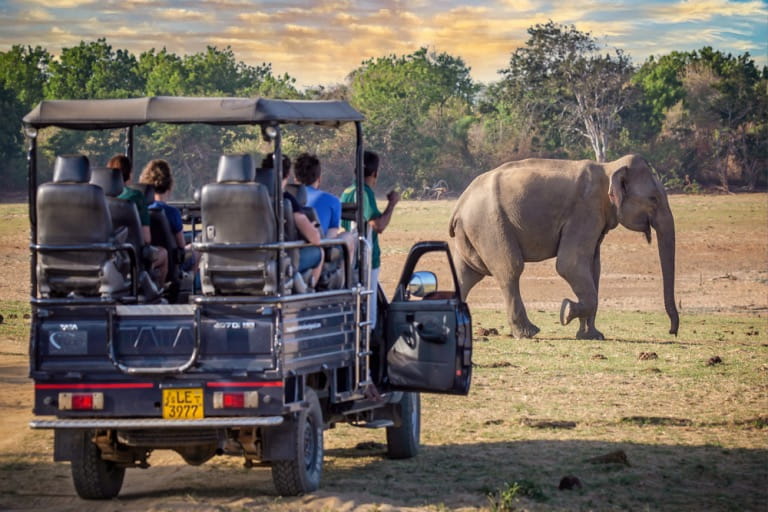
Day 2: A morning safari in Bundala (wetlands and birds). For most travelers, I’d choose one main safari, but if you have the energy, you can chase leopards in Yala in the afternoon.
-
Day 3: A quick morning walk through the red earth of Ussangoda, then head west toward Tangalle or Galle.
FAQ About Hambantota
- Is Hambantota worth visiting?
Yes, if you want safari access, wetlands, birdwatching, and a quieter base. I wouldn’t recommend it for those seeking nightlife or a classic beach-town vibe.
- What is Hambantota known for?
Hambantota is known for its major seaport, the vast salt salterns, dry-zone landscapes, and proximity to Bundala National Park.
- Is Hambantota better than Tissamaharama?
For budget-focused Yala safaris, Tissamaharama is usually better. For quieter surroundings, Bundala access, and high-end resorts, Hambantota can be the better choice.
- How many days do you need in Hambantota?
Two nights are enough for most travelers to do one safari, see the salt salterns, and visit one quieter local stop such as Ussangoda or Mirijjawila.
- Is Hambantota good for first-time visitors to Sri Lanka?
If it’s your first trip and you want cafes, shops, and easy beach days, I’d choose Galle or Mirissa first. If you specifically want wildlife and a quieter experience, it can work well.
Final Thoughts
I wouldn’t call Hambantota a “must-see” for every traveler. But I would call it a high-value stop for those who are tired of crowds and want to see a different side of Sri Lanka. It’s a place of oversized infrastructure and even bigger nature—if you know what you’re looking for, it’s a quiet gem.
