
Many people searching for “Maryse Evan Jeppe” are actually looking for Maryse Éwanjé-Épée. Her surname is often heard on French radio or sports shows, so it is easy for listeners to spell it phonetically.
Maryse Éwanjé-Épée is a former French high jumper, Olympian, and sports journalist. She is best known for her 1.96m French high jump record, her Olympic appearances, and her long media career with outlets such as RMC Sport, Canal+, and Eurosport.
Quick Facts About Maryse Éwanjé-Épée
| Quick Facts | Details |
|---|---|
| Full Name | Maryse Éwanjé-Épée |
| Common Search Variant | Maryse Evan Jeppe |
| Birth Date | September 4, 1964 |
| Birthplace | Poitiers, France |
| Nationality | French |
| Sport | Athletics |
| Main Event | High Jump |
| Personal Best | 1.96m |
| Olympic Appearances | 1984 Los Angeles, 1988 Seoul |
| Best Olympic Result | 4th place in 1984 |
| Later Career | Sports journalist and commentator |
| Known For | French high jump record and RMC Sport commentary |
Who Is Maryse Éwanjé-Épée?
Maryse Éwanjé-Épée is one of the recognizable figures in French athletics history. She first became known as a high jumper, then later built a second career in sports media.
Her name remains important for two reasons. First, she set a major French high jump record that lasted for decades. Second, she stayed active in public sports discussion after retirement, using her athletic experience to analyze competitions, defend athletes, and speak about equality in sport.
She is not only remembered as a former athlete. She is also known as a strong media voice who helped bring technical knowledge and direct opinions into French sports broadcasting.
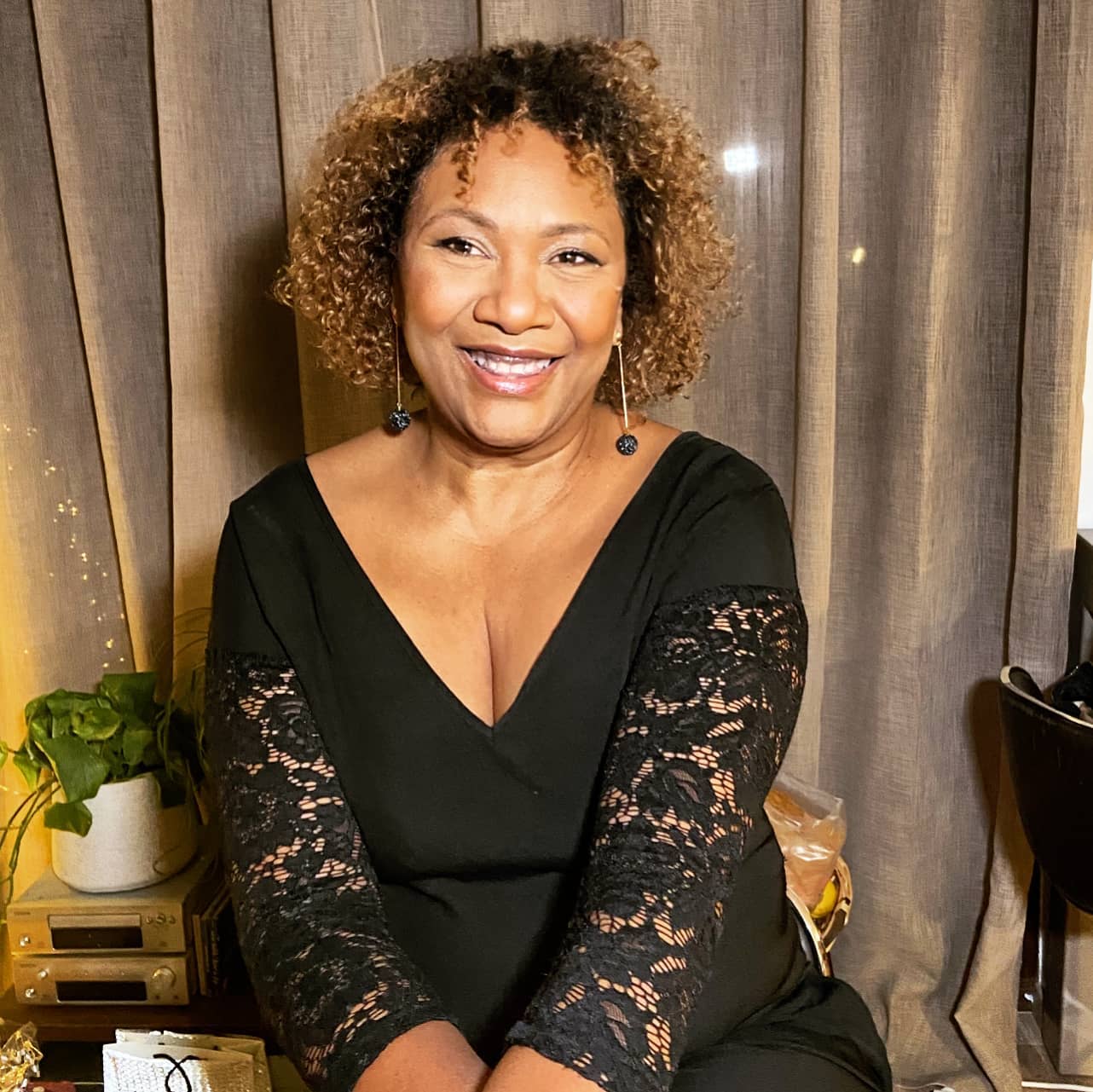
Image source: Instagram
Athletic Career and Major Achievements
Maryse Éwanjé-Épée competed mainly in the women’s high jump. Before specializing fully, she also had experience in combined events, which helped develop her speed, coordination, and jumping technique.
Her strongest years came during the 1980s, when she became one of France’s leading female high jumpers.
Career Timeline
- 1983: Won bronze at the European Indoor Championships in Budapest.
- 1984: Finished 4th at the Los Angeles Olympic Games with a jump of 1.94m.
- 1985: Set her personal best and French outdoor high jump record at 1.96m.
- 1988: Competed at the Seoul Olympic Games and finished 10th.
- 1989: Won another European Indoor bronze medal in The Hague.
- 1996: Retired from professional athletics and moved toward journalism.
- 2003: Became a major voice on RMC Sport.
- 2023: Left her daily RMC Sport role.
- 2026: Remains connected to athletics, youth work, and public sports discussion.
Key Achievements
| Achievement | Why It Matters |
|---|---|
| 1.96m French record | Her most famous athletic mark |
| 1984 Olympic 4th place | Placed her close to the Olympic podium |
| Two European Indoor bronzes | Showed her consistency at the international level |
| Long elite career | Proved her durability across more than a decade |
| Sports media career | Extended her influence beyond the competition |
Why Her 1.96m Record Matters
Her 1.96m high jump record is central to her legacy. She achieved the mark in 1985, and it stood as a French national outdoor record for 22 years.
That long record span shows how strong the performance was. In athletics, where training methods and competition standards keep improving, a record lasting more than two decades carries real historical weight.
For the French women’s high jump, the number 1.96m became closely tied to Maryse Éwanjé-Épée’s name.
How Did She Become a Sports Commentator?
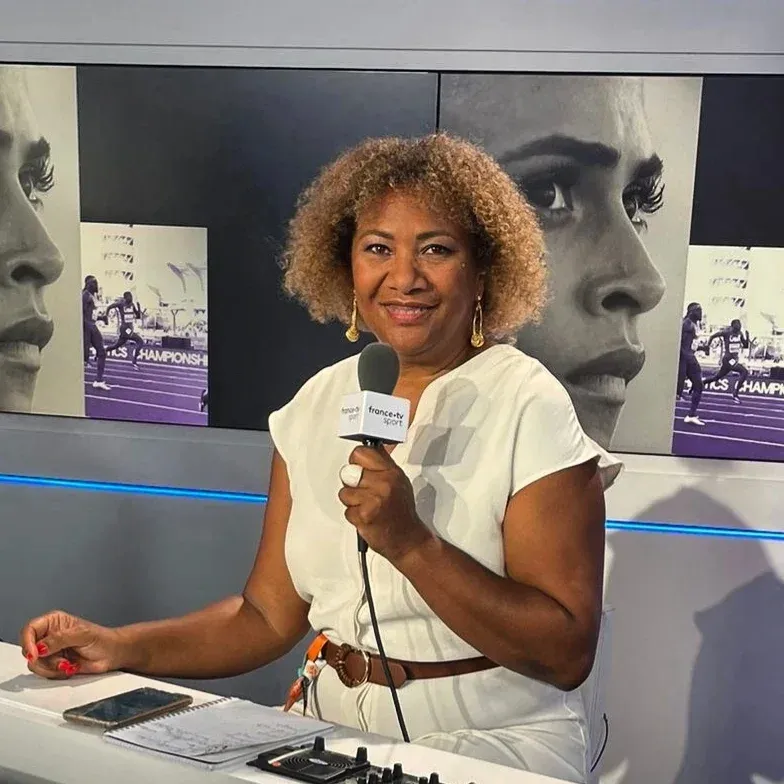
After retiring from athletics, Maryse Éwanjé-Épée moved into sports journalism. She studied at the Centre de Formation des Journalistes, which gave her formal media training and helped her build credibility beyond her athlete background.
She later worked with Eurosport and Canal+, then became especially known for her role on RMC Sport. Her appearances on shows such as Super Moscato Show and Les Grandes Gueules du Sport made her a familiar voice to French sports fans.
Her commentary style stood out because it was direct, technical, and experience-based. She could explain sport not only as an observer, but as someone who had competed at the highest level.
Why Did She Leave RMC Sport?
Maryse Éwanjé-Épée left RMC Sport in 2023 after nearly 20 years with the station. Her departure was emotional for many listeners because she had become one of the network’s best-known voices.
Public statements suggest that health and personal reasons played a role in her decision. She stepped away from the demanding daily radio schedule to focus on her well-being, family, and other projects.
Where Is Maryse Éwanjé-Épée Now in 2026?
As of 2026, Maryse Éwanjé-Épée appears to remain connected to athletics and public sports discussion, though she is no longer in the daily RMC Sport spotlight.
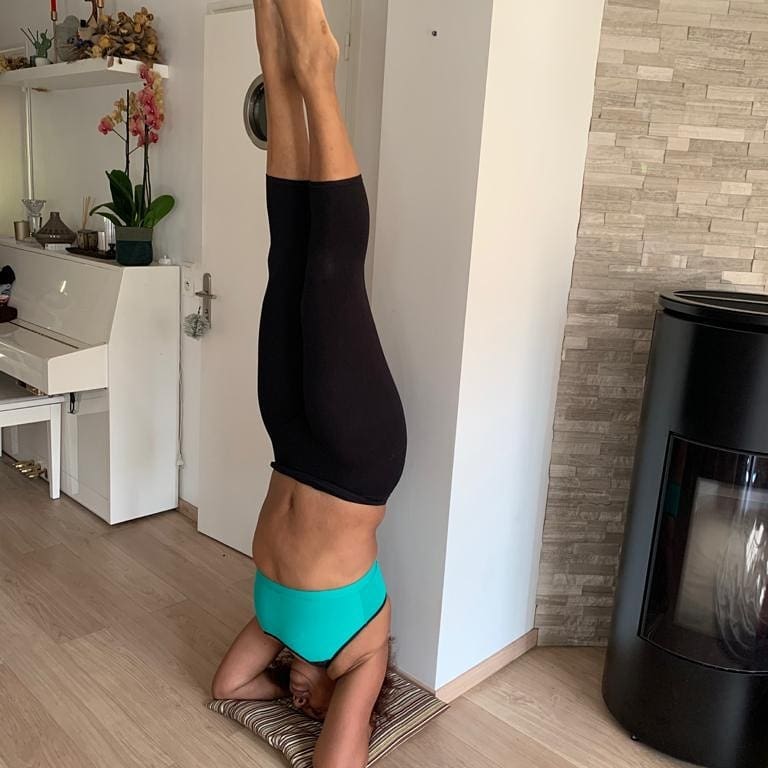
Image source: Instagram
Her current work seems more focused on:
- grassroots athletics
- youth mentoring
- sports equality discussions
- writing and consulting
- community-level sports involvement
This makes her current role quieter than her radio years, but still connected to the sports world.
Common Misconceptions About Maryse Éwanjé-Épée
- “Maryse Evan Jeppe” is not the accurate spelling: It is a phonetic search version of Maryse Éwanjé-Épée.
- She was not only a high jumper: She also became a major French sports media voice.
- She did not win an Olympic medal: Her best Olympic result was 4th place in 1984.
- She is no longer a daily RMC host: She left her regular RMC Sport role in 2023.
- Her legacy is not only one record: Her influence includes athletics, media, and sports advocacy.
What Can We Take Away From Maryse Éwanjé-Épée’s Story?
Maryse Éwanjé-Épée’s story is about reinvention. She first made her name through high jump, then built a second career by speaking clearly about sport, athletes, equality, and public responsibility.
To me, her legacy is not only the 1.96m record. It is also the way she continued to use her experience after retirement. Her journey shows that an athlete’s influence does not have to end when competition ends; it can grow into a second career shaped by knowledge, courage, and a strong public voice.
