
The Mount of Olives is a hill ridge east of Jerusalem’s Old City. It is known for its name, location, religious meaning, Christian and Jewish traditions, famous viewpoints, and several important holy sites.
What does the name Mount of Olives mean?
The name Mount of Olives means a hill or ridge historically connected with olive trees. The name comes from the olive trees that once grew widely on its slopes. Olive trees still appear in parts of the area today, especially near the Garden of Gethsemane.
This name is simple, but it gives visitors a useful first impression. The Mount of Olives is not named after a modern building, a ruler, or a battle. It is named after the natural landscape. This makes the name feel old, direct, and closely tied to the land itself.
Olive trees also carry meaning in the Mediterranean world and in religious culture. They are linked with daily life, farming, oil, peace, worship, and long history. Because of that, the name “Mount of Olives” fits the character of the place well. It sounds natural, but it also carries a quiet spiritual feeling.When I hear this name, I do not imagine only one viewpoint. I imagine a full hillside with trees, roads, churches, graves, gardens, and views. That is the best way to understand it. The Mount of Olives is not one small attraction. It is a wider historic area beside Jerusalem.
Where is the mount of Olives located?
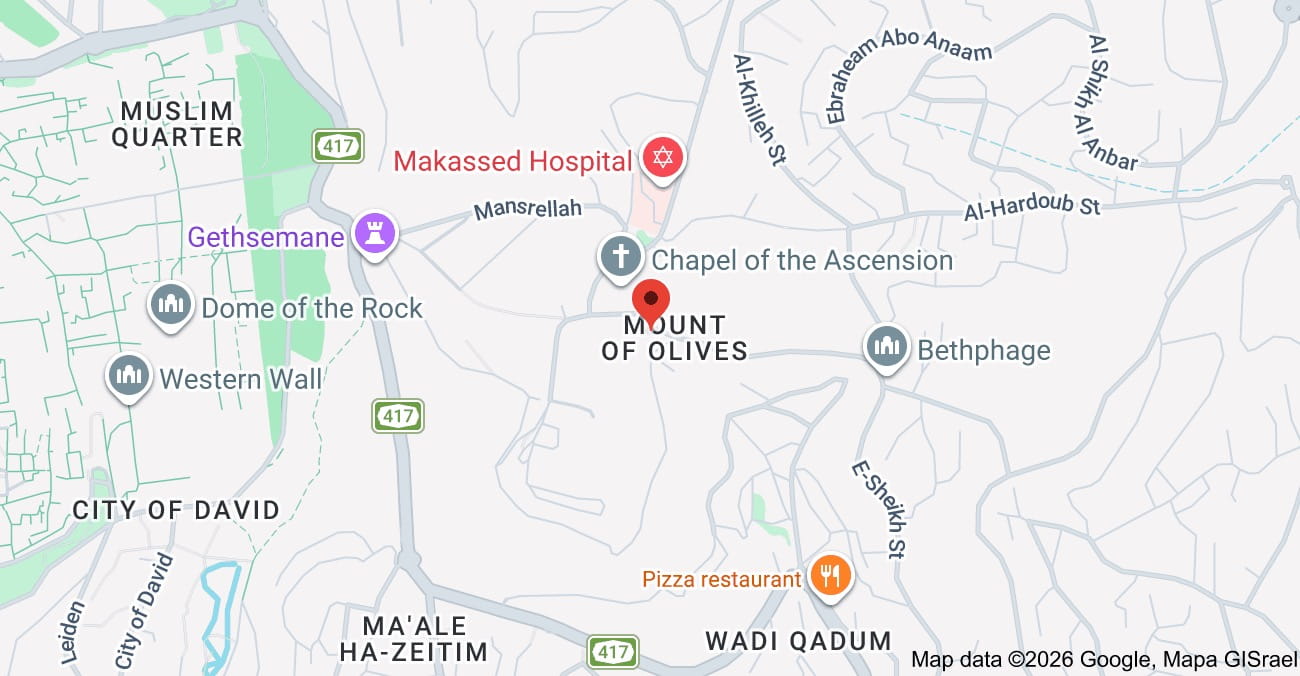
The Mount of Olives is located east of Jerusalem’s Old City, across the Kidron Valley. It stands opposite the Old City and faces some of Jerusalem’s most famous landmarks.
From the Mount of Olives, visitors can look toward the Temple Mount area, the Dome of the Rock, the city walls, and the stone buildings of the Old City. This is one reason the place is easy to recognize in photos. The view from the mount is one of the most famous views of Jerusalem.
The area itself is a hillside ridge. It is not flat, and it is not a closed tourist site with one entrance. It includes roads, slopes, churches, cemetery areas, gardens, and viewpoints. Some places are easy to reach by car or taxi. Other parts may require walking on steep or uneven paths.
I think the location is the first thing visitors should understand after knowing the name. The Mount of Olives is close to the Old City, but it is outside the city walls. This gives it a different feeling. Inside the Old City, visitors walk through narrow streets and crowded religious quarters. From the Mount of Olives, they can step back and see Jerusalem as a whole.
Why is the Mount of Olives important?
The Mount of Olives is important because its location, biblical background, religious traditions, holy sites, and Old City view all come together in one place. It is not famous for only one reason.
Its location gives it a special role. The hill faces Jerusalem directly. This makes it one of the best places to see how the Old City, the valley, and the surrounding hills connect. For many visitors, this view makes Jerusalem easier to understand before they enter the city’s narrow streets.
Its biblical background also gives it deep meaning. The Mount of Olives is connected with stories and traditions that are central to Christianity. It is also connected with Jewish burial tradition through its historic cemetery. These religious links make the hill more than a scenic point.
The Mount of Olives is also important because several major religious sites are located on or near it. These sites are not random tourist stops. They are connected with centuries of worship, pilgrimage, burial, and memory.
In simple terms, the Mount of Olives matters because it helps visitors understand Jerusalem through place. The hill shows how geography and religion can shape each other over time.
What religious culture is connected with the Mount of Olives?
The Mount of Olives is connected with both Christian and Jewish religious culture. These two traditions are the main reason the hill has such a strong spiritual identity.
In Christianity, the Mount of Olives is closely connected with Jesus. The Garden of Gethsemane, near the foot of the mount, is remembered as the place where Jesus prayed before his arrest. This story gives the area a serious and emotional meaning for Christian visitors.
The mount is also linked with the Ascension tradition. The Chapel of the Ascension is one of the places associated with this belief. Other Christian sites nearby also connect the area with prayer, sorrow, teaching, and hope. For Christian pilgrims, the Mount of Olives is not just a stop on a map. It is part of a sacred route connected with the final period of Jesus’ earthly life.
In Judaism, the Mount of Olives is especially important because of its cemetery. The Jewish cemetery on the slope is one of Jerusalem’s most meaningful burial places. Many graves face the Old City, and this position carries religious meaning. This cemetery gives the mount a solemn and respectful atmosphere.
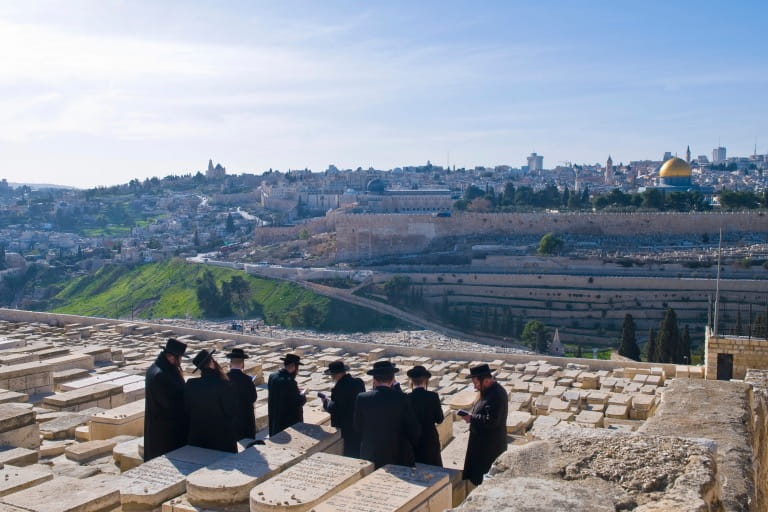
This religious background should shape how visitors behave. The Mount of Olives is not only a place for photos. It includes churches, sacred traditions, and burial grounds. Visitors should walk through the area with quiet respect.
What can you see on the Mount of Olives?
Visitors can mainly see the panoramic viewpoint, the Garden of Gethsemane, and the Church of All Nations. These three places are enough for most first-time visitors because they show the Mount of Olives’ view, religious meaning, and travel value clearly.
The Panoramic Viewpoint
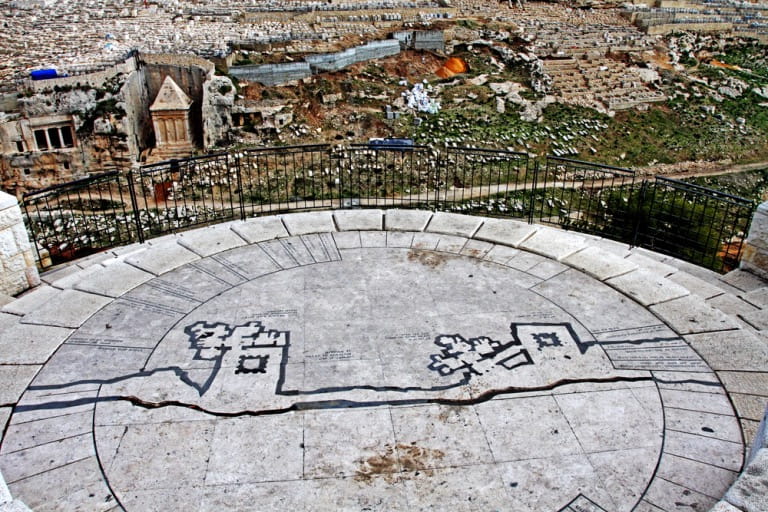
The panoramic viewpoint is the best place to see Jerusalem’s Old City from above. From here, visitors can look across the Kidron Valley and see the city walls, the Dome of the Rock, the Temple Mount area, and the dense stone buildings of the Old City.
I think this is the best first stop because it gives visitors a clear sense of place. Jerusalem can feel crowded and complicated when someone walks inside the Old City. From the Mount of Olives, the city becomes easier to understand. The view shows how the hill, valley, and Old City sit together.
This viewpoint is also one of the most popular photo spots in Jerusalem. Morning and late afternoon are usually better for photos because the light is softer. But even without taking photos, the viewpoint is worth a quiet stop. It helps visitors understand why the Mount of Olives has such a close connection with Jerusalem.
The Garden of Gethsemane
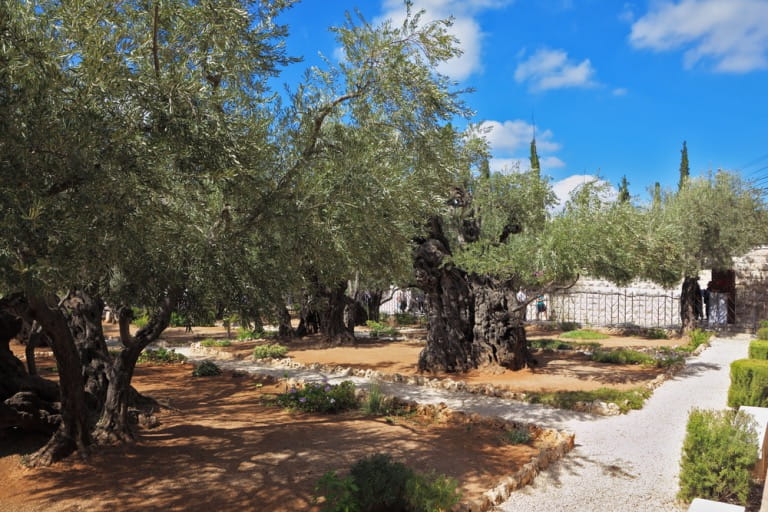
The Garden of Gethsemane is one of the most important Christian sites near the Mount of Olives. It is traditionally remembered as the place where Jesus prayed before his arrest.
The garden is known for its old olive trees and quiet atmosphere. For Christian visitors, it can feel especially meaningful because it connects a well-known biblical story with a real place. For general visitors, it is still worth seeing because it shows how the Mount of Olives is tied to religious memory.
I would not treat the garden as only a quick photo stop. Its value comes from the story attached to it and the calm feeling of the place. A short visit can still be meaningful if visitors know why the garden matters before they arrive.
The Church of All Nations
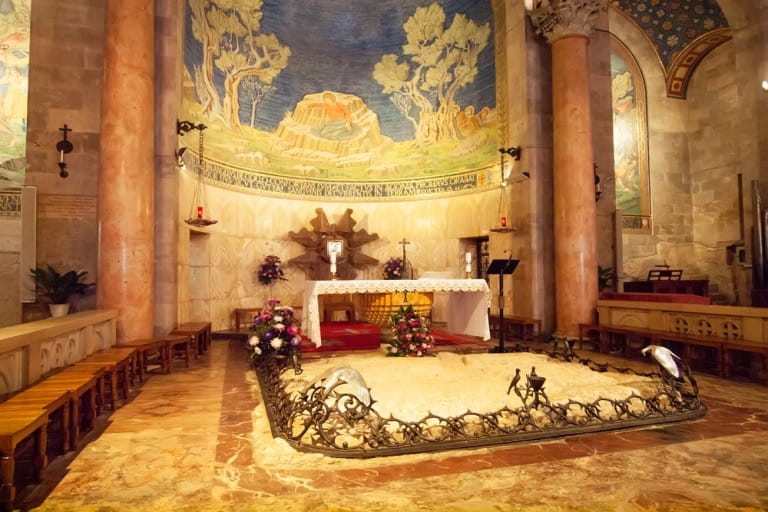
The Church of All Nations is a major Christian church beside the Garden of Gethsemane. It is often visited together with the garden because both places are linked to the same religious tradition.
The church is known for its serious and quiet atmosphere. Its design helps reflect the story of Jesus’ prayer and suffering before his arrest. Visitors who are interested in Christian history will usually find this site important, but even non-religious visitors can appreciate its setting and architecture.
I think the Church of All Nations works well as a second stop after the garden. The garden gives the outdoor setting, and the church gives the worship space. Together, they help visitors understand the religious side of the Mount of Olives without needing to visit every single site on the hillside.
What travel tips should I know before visiting the Mount of Olives?
The best travel tip is to plan your route before visiting because the Mount of Olives is a hillside area with several separate stops. A clear plan can make the visit easier and more useful.
I would start with the panoramic viewpoint first. The view gives a clear introduction to Jerusalem and helps visitors understand where they are. After that, I would visit the Garden of Gethsemane and the Church of All Nations. This route works well for most first-time visitors because it includes both scenery and religious culture.
Comfortable shoes are important because the area has slopes and uneven paths. Water is also useful, especially in warm weather. Morning and late afternoon are often better for photos because the light is softer and the Old City looks clearer.
Transportation also matters. Walking downhill from the Mount of Olives toward the Old City can be manageable for many visitors. Walking uphill can be tiring. A taxi, private driver, or guided tour may be easier for people who want to save energy.
Visitors should also dress modestly when entering churches or religious areas. They should be quiet and respectful near the cemetery and worship spaces. The Mount of Olives is a travel destination, but it is also a sacred place.
For a basic visit, I would allow one to two hours. This is enough time to see the viewpoint, the Garden of Gethsemane, and the Church of All Nations. For a slower visit, three hours gives more space to walk, take photos, and understand the area without rushing.
Conclusion
The Mount of Olives is worth knowing because its name, location, religious culture, main sights, and travel value make it one of Jerusalem’s clearest and most meaningful places.
